
Generative AI referral behaviour describes how human visitors arriving from answer engines (such as ChatGPT, Perplexity, Claude, Google AI Overviews, and Microsoft Copilot) navigate, evaluate, and convert on your website compared to traditional organic search visitors. Because AI search users perform top-of-funnel discovery, terminology definitions, and initial vendor filtering inside the conversation before clicking a citation link, they arrive on your site at a much later stage of commercial intent, exhibiting lower bounce rates, higher pricing-page visitation, and 2x to 4x higher conversion rates.
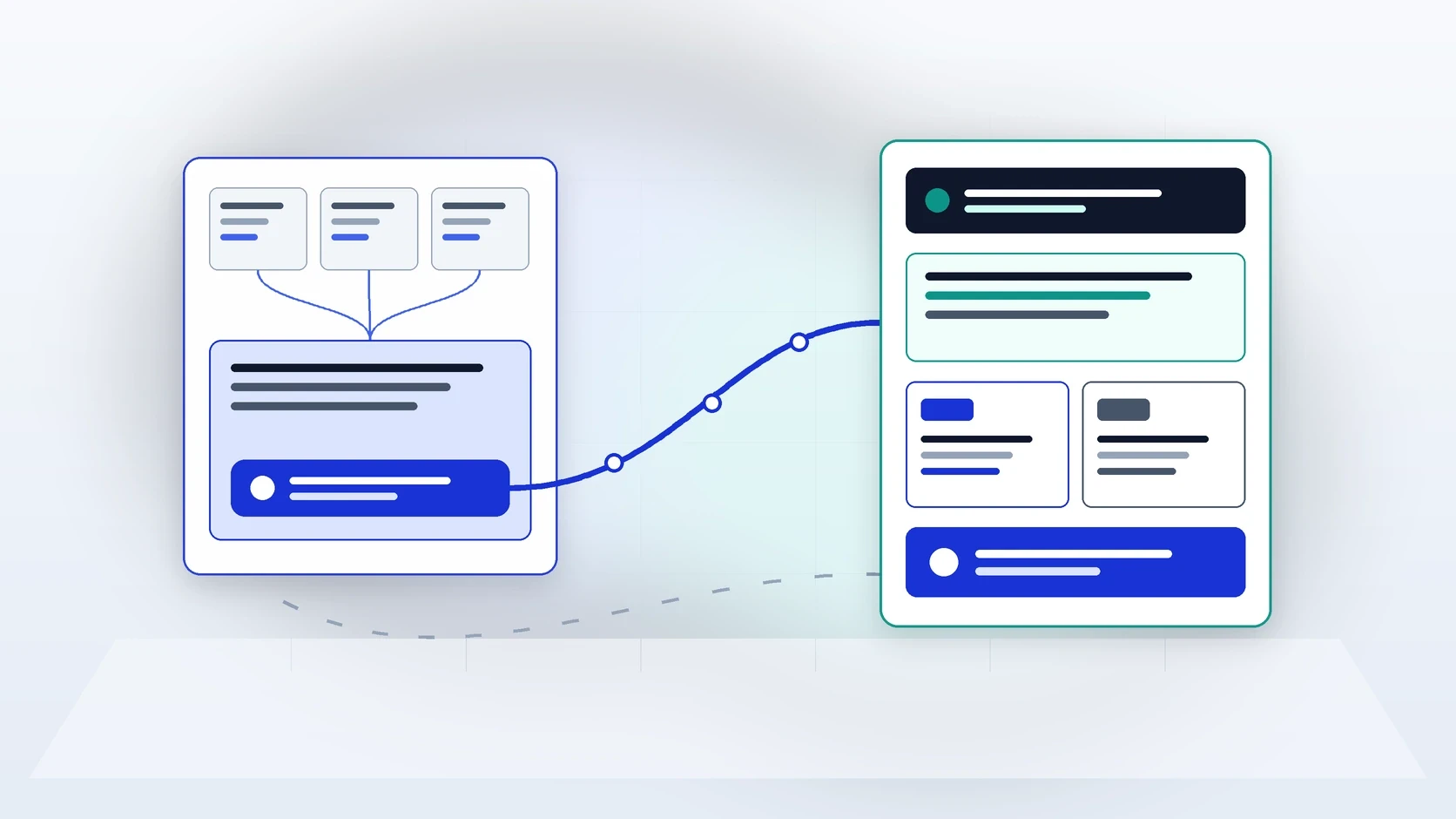
Key Takeaways: How Generative AI Referrals Behave On-Site
Pre-qualified intent compresses the funnel: Buyers have already asked the AI assistant 3 to 6 follow-up questions before clicking your citation card; they arrive to verify proof, pricing, and implementation details.
Different answer engines send distinct visitor profiles: ChatGPT Search often sends bottom-of-funnel vendor shortlist clicks, whereas Perplexity sends deep research and technical validation sessions.
Up to 35% of AI referral traffic hides in 'Direct': Mobile AI apps and privacy-stripped webviews frequently omit HTTP referrer headers unless you correlate referrals with Agent Analytics.
Landing pages must match verification intent: Greeting an AI referral visitor with a 1,500-word beginner definition increases exit rates; surface comparative proof, interactive calculators, and transparent pricing immediately.
Why AI Search Visitors Convert at 2x to 4x the Rate of Traditional Search
In traditional search engine journeys, a buyer types a broad query into Google, opens five different tabs from the results page, skims each article for 20 seconds to see if it answers their question, and bounces back to the SERP from four of them. Consequently, traditional organic blog traffic typically records high impression volume, high bounce rates, and modest single-session conversion rates.
Generative AI referral behaviour turns that dynamic upside down. Inside an answer engine, the LLM performs the multi-tab reading and synthesis on the buyer's behalf. The buyer refines their requirements inside the chat ('Which of these platforms tracks server-side AI bots and supports UK teams?'). By the time the buyer clicks a source citation or vendor link, they are no longer asking what the category is; they are verifying whether your specific claim is trustworthy and whether your product fits their commercial constraints.
Behavioural Metric | Traditional Organic Search Visitor vs Generative AI Referral Visitor |
Pre-Click Evaluation State | Traditional Organic: Early discovery; scanning multiple tabs to piece together basic information. |
Second-Page Navigation Path | Traditional Organic: Frequently exits after reading the single landing article (70%+ single-page session rate). |
Engaged Session Duration | Traditional Organic: Skim-heavy reading with rapid pogo-sticking back to the SERP. |
Demo / Signup Conversion Rate | Traditional Organic: Baseline informational conversion rate (typically 0.4% to 1.2% on B2B content). |
Platform-by-Platform Differences in AI Referral Behaviour
Not all generative AI referrals behave identically. Segmenting incoming AI sessions by source platform reveals distinct user mindsets that should inform how you structure your landing pages:
ChatGPT Search (
chatgpt.com/utm_source=chatgpt.com): ChatGPT automatically appendsutm_source=chatgpt.comto many outbound links in its web search experience. Visitors from ChatGPT often click through after multi-turn conversational qualification, showing the highest propensity to land directly on product, comparison, or homepage routes and convert within the same session.Perplexity (
perplexity.ai): Built as an citation-first research engine, Perplexity displays numbered source badges prominently above the answer. Perplexity visitors behave like technical auditors: they click into deep benchmark articles, methodology pages, and documentation tables to verify specific numbers cited by the model.Claude (
claude.ai) and Microsoft Copilot (copilot.microsoft.com): Claude referrals skew heavily toward technical, engineering, and executive B2B buyers evaluating complex workflows, while Copilot referrals frequently originate from enterprise Windows and Edge environments during workday procurement research.Google AI Overviews (
google.com): Clicks from Google AI Overviews are blended into standardgoogle / organictraffic in GA4 unless you isolate pages that gain citation placements inside AI Overviews and correlate URL-level click-through changes alongside NeuraCite citation tracking.
How to Configure GA4 Custom Channel Grouping for AI Referrals
By default, Google Analytics 4 scatters generative AI traffic across three separate buckets: Referral (for standard links from perplexity.ai or claude.ai), Organic Search or Unassigned (when utm_source=chatgpt.com is present without a matching medium), and Direct (when native mobile apps strip the Referer header). To isolate visible AI referrals in GA4, create a dedicated AI Search & Answer Engines channel above the default Referral rule using this regex pattern on Session source:
^(.*chatgpt\.com|.*openai\.com|.*perplexity\.ai|.*claude\.ai|.*copilot\.microsoft\.com|.*gemini\.google\.com|.*you\.com|.*phind\.com|.*meta\.ai)$
Solving the 'Dark AI Traffic' Problem with Agent Analytics
Even with a clean GA4 regex filter, client-side analytics still misses two critical pieces of the puzzle: clicks from native iOS/Android AI apps that pass an empty Referer header (landing in GA4's Direct bucket), and zero-click citations where the model read your page and recommended your brand before the user later typed your brand name into a browser. Pairing GA4 with Agent Analytics lets you correlate real-time ChatGPT-User and Perplexity-User server fetches with subsequent spikes in direct and branded organic conversions.
How to Optimise Cited Landing Pages for AI Referral Conversion
Once you identify which URLs on your domain receive the highest citation frequency and AI referral traffic, upgrade those pages specifically for post-synthesis human visitors:
Keep the Answer-First block at the top for visual confirmation: When a visitor clicks a citation badge from Perplexity or ChatGPT to verify a claim, they want to see that exact claim corroborated in the opening 80 words and summary table immediately, confirming they landed on the right source.
Add 'Verification Assets' immediately below the fold: Because the AI assistant already gave the visitor the text summary, give the human visitor what the chat window cannot: interactive ROI calculators, downloadable comparison checklists, live product sandbox previews, and verified customer case study metrics.
Insert contextual mid-page conversion pathways: Instead of waiting until the bottom of a 1,500-word article to display a generic newsletter form, place a high-relevance call-to-action right below your main comparison table (for example, 'See your brand's live Share of Model across ChatGPT and Perplexity in NeuraCite').
Understanding generative AI referral behaviour shifts your KPI focus from chasing raw top-of-funnel session volume to capturing high-intent, pre-qualified buyers who are ready to evaluate and purchase.